
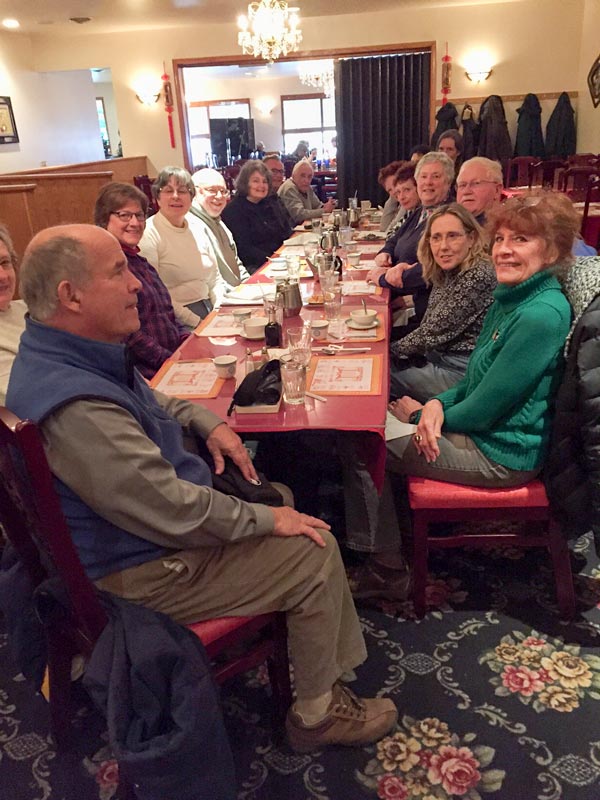
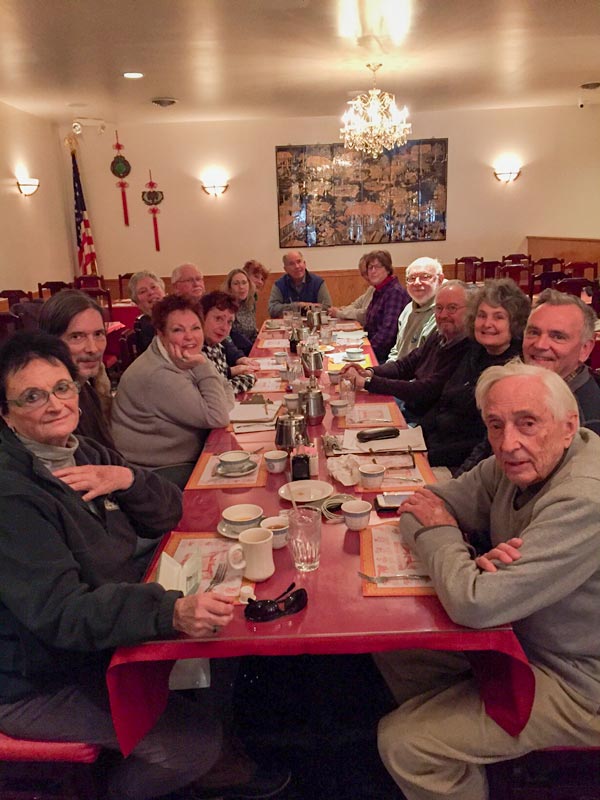
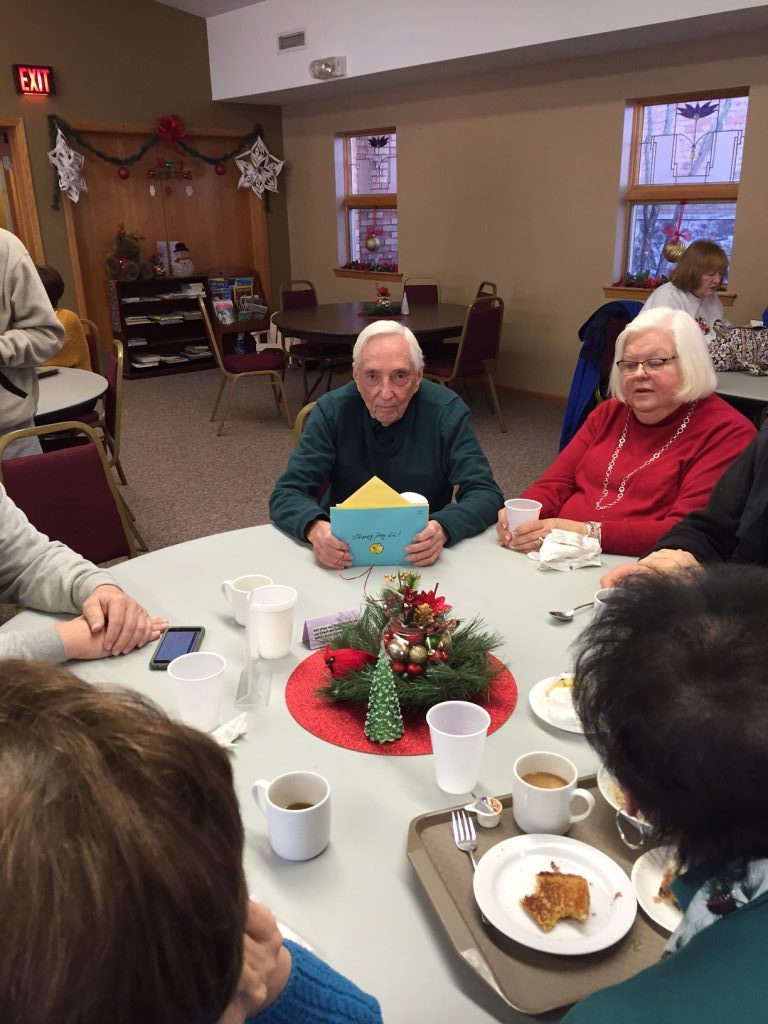
 Our featured speaker was James Renn, an archeologist with the U. S. Forest Service. Mr. Renn has extensive experience in excavating local artifacts, including those from snorkeling adventures in the AuSable River. He has conducted workshops as part of the Michigan Heritage Program. He presented a great program about the challenges and benefits of exploring and identifying archeological heritage sites within the areas of the Huron-Manistee National Forests. He spoke to some of his current projects and the work he is doing to identify potential sites of the pre-1800 time period and the challenges of targeting locations because of the geologic and hydrologic changes in Michigan since the glaciers receded approximately 13,000 years ago. The program was very well received by the attending members.


- Load more
What bird has body parts called a beard, wattle and a snood?
Join us for Bird Trivia on Friday May 15th at 1:30pm in the pavilion at Tawas Point State Park.
Take a break, have some lunch and play some trivia. Then back to watching those birds.The AuSable Valley Audubon Society will host a silent auction on Saturday, May 16, 2026, with items available for viewing and bidding on May 15 and 16, during the Tawas Point Bird Migration Days at Tawas Point State Park.
If you are a business or individual interested in donating item(s) to support the event, please contact Pam at 734 620 2471.
All proceeds will benefit community educational programs and local conservation initiatives.
0 CommentsComment on Facebook
Please come out and learn about Birding in Alaska with local Audubon member Amy Kohlhepp.
The AuSable Valley Audubon can come to your community library or you can visit us at out monthly chapter meetings to learn about a variety of topics surrounding birds and conservation. Do you have any topics you would like to learn more about? Please let us know your ideas.This month: Meet the Ospreys and a new date for Birds of Alaska! See you there.
0 CommentsComment on Facebook
